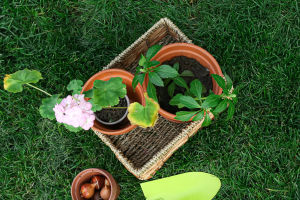
Have you ever watched your chrysanthemums finish blooming and wondered what to do next, Lykkers? The end of flowering does not mean the growing season is over.
With thoughtful pruning, enough light, and steady care, we can help the plant save energy and produce fresh shoots for the next cycle. We can also use those healthy shoots to create new plants, making one established chrysanthemum a useful starting point for a much larger display.
Start With Post-Bloom Pruning
Once the flowers have faded, we can begin by removing the old flowering stems. Instead of cutting everything down to ground level, we can leave a small section with a few healthy growth points near the base. These points can produce new shoots as the plant enters its next stage of growth.
Removing spent stems helps direct the plant's resources toward its remaining roots and new growth. We should also remove weak or clearly declining stems while keeping healthy new shoots that emerge from the base.
Timing matters as well. We can choose a dry day for pruning so that freshly cut areas are less likely to stay wet for a long period. Clean, sharp pruning tools also give us neater cuts and make the task easier.
Give New Shoots Room
After older stems are shortened, new shoots may appear around the base. These young shoots are valuable because they can become the foundation for the next flowering season.
We should avoid cutting healthy new growth simply because it looks small. Instead, we can allow strong shoots to develop while removing only damaged, weak, or overcrowded growth when necessary.
Good light is important during this period. A bright location supports compact growth and helps the plant build energy for future flowering. We should also avoid keeping the growing medium constantly saturated. Water when the surface begins to dry, then allow excess moisture to drain away.
Shape Young Plants Early
If we want a fuller chrysanthemum with more flowering stems, early shaping can make a noticeable difference. When a young shoot has developed several sets of leaves, we can gently pinch out its growing tip.
This encourages side shoots to develop instead of allowing one central stem to become too tall. As those side shoots grow, we can pinch their tips again when appropriate. The goal is to create a balanced, branching plant rather than a tall, narrow shape.
We should avoid removing too much growth at one time. Gentle, repeated shaping gives us better control and allows the plant to recover between sessions.
Support Healthy Growth
Pruning works best when combined with basic care. We can place chrysanthemums where they receive plenty of sunlight and maintain regular watering according to the growing conditions.
During active growth, a balanced plant fertilizer can provide useful nutrients. We should follow the instructions on the fertilizer label rather than applying extra simply because the plant has recently been pruned.
Good airflow is helpful too. If stems become extremely crowded, selective removal can open the center and allow light to reach more leaves. This also makes it easier for us to inspect the plant and notice problems early.
Try Division
One simple way to create more chrysanthemums is division. When the plant has finished flowering and is ready for this type of maintenance, we can carefully lift the root mass and examine the new shoots.
Healthy sections with roots and young shoots can be separated into smaller plants. Each division should have enough roots to support its growth. We can then place the sections into fresh growing medium and keep them evenly moist while they become established.
Division is especially useful when an established plant has produced several healthy shoots around its base.
Grow From Cuttings
We can also propagate chrysanthemums from healthy stems. Choose a vigorous section several centimeters long and remove the lower leaves, leaving a small number of leaves near the top.
Place the cutting into a clean, moist growing medium and keep it somewhere bright but protected from intense direct sunlight. Consistent moisture and good airflow can help the cutting establish roots.
Once new growth appears, we can gradually introduce it to stronger light and continue normal care. This method gives us another practical way to expand our collection without relying on seeds.
Final Thoughts
Chrysanthemum care after flowering is mainly about knowing what to keep and what to remove. We can shorten old flowering stems, protect healthy new shoots, provide strong light, and shape young growth gradually. Division and stem cuttings can then help us turn healthy plants into new ones.
For us, the most useful lesson is simple: flowering may be finished, but the plant still has plenty of work ahead. With a little careful pruning and steady attention, we can prepare chrysanthemums for fresh growth and another beautiful season.
How to Prune Fall Mums for a 2nd Bloom 🌼✂️🌺
Video by CaliKim Garden & Home