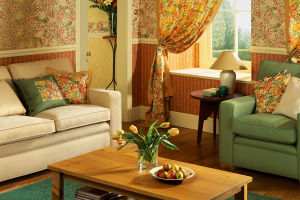
Hi, Readers! Choosing a sofa color can feel like one of the biggest decisions in a living room, and honestly, that feeling makes sense. A sofa often takes up the most visual space, so its color can gently shape the whole mood of the room. If you want a living room palette that feels lasting and easy to live with, the key is not simply picking a shade you like in the moment.
It is about understanding how the sofa works with the room, the light, and the colors you want to enjoy every day. One helpful starting point is deciding whether you want the sofa to be the main focus or a quieter part of the room. A bold sofa color can become the star and set the direction for everything else.
A more neutral sofa gives you freedom to update pillows, throws, and small decor pieces when your taste shifts. If you enjoy changing a room little by little, a softer base color can make that easier and much less stressful.
Start With the Room
Before settling on a sofa color, look closely at the room itself. Wall color, flooring, rugs, curtains, and the amount of natural light all matter. A color that looks lovely in a showroom can feel completely different at home. In a bright room, many sofa colors feel lighter and airier. In a darker room, deep shades can feel rich and cozy, but they can also make the space feel heavier if everything else is dark too. It helps to look at the room as a whole instead of treating the sofa like a separate choice.
The size of the room also plays a part. In a smaller living room, very deep or highly saturated colors can feel visually strong quite quickly. That does not mean you cannot use them, only that balance matters. Lighter neutrals often help a compact space feel more open, while medium tones can add depth without taking over.
Think Beyond Trendy Shades
If your goal is a living room that stays appealing over time, it is wise to be careful with very trend-driven shades. Colors that rise quickly in popularity can also start to feel dated sooner. This is why many designers return again and again to dependable neutrals such as beige, gray, greige, cream, and soft taupe. These shades tend to work well with many palettes and are easier to refresh with accessories.
That said, neutral does not have to mean dull. Texture matters just as much as color. A woven fabric, soft chenille, velvet-like finish, or subtle pattern can give a neutral sofa richness and personality. If you love color, muted blue, green, or earthy terracotta-inspired tones can sometimes feel more lasting than very sharp, high-energy shades because they sit more gently in the room.
Match Lifestyle and Maintenance
A sofa needs to look good, but it also needs to live well with your daily routine. If the living room gets constant use, practical color choices become even more important. Very light fabrics may show marks more easily, while very dark colors can highlight lint, dust, or pet hair. Mid-tone colors often offer a forgiving middle ground because they hide everyday wear more gracefully.
This is where fabric choice matters too. Performance fabrics, washable slipcovers, and materials with visible texture can help a sofa stay attractive longer. If you are choosing for a busy household, it can be smart to take home swatches and see how they look in real light and alongside the items already in your room. A color that appears perfect under store lighting may not feel the same in your own space.
Build a Flexible Palette
One of the easiest ways to create a living room that does not feel tired too quickly is to build around layers. Let the sofa be your anchor, then bring in accent colors through cushions, throws, rugs, and art. This approach gives the room depth without locking every large item into one strong color story. If you choose a timeless sofa shade, you can refresh the entire feeling of the room just by changing a few smaller pieces.
It also helps to repeat colors across the room in a balanced way. If your sofa has a warm undertone, bring that warmth into wood finishes, textiles, or decorative accents. If it leans cool, echo that in nearby elements. This makes the room feel connected and calm rather than random. A well-balanced palette usually feels more lasting because nothing is fighting for attention.
Choosing a sofa color doesn't have to be stressful. By considering your room's light, your lifestyle, and how you want the space to feel, you can make a choice that works for years to come. Remember that the best color is one that brings you comfort every time you walk into the room—not one that follows the latest trend. Take your time, test swatches in your own light, and trust your instincts. A well-chosen sofa will quietly support your living room's beauty and function for a long time.