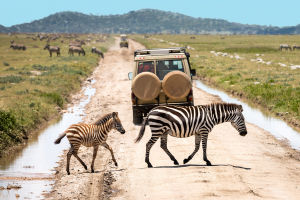
In just two years along one stretch of highway in Utah, 98 deer, three moose, two elk, several raccoons, and a cougar were killed in vehicle collisions — 106 animals in total. Nobody made the news.
Nobody filed a report. It just happened, quietly, on a road that cuts through what used to be connected habitat.
Roads Are Silent Ecosystem Barriers
Highways don't just divide asphalt — they divide populations. Animals on one side can't reach mates, food, or seasonal ranges on the other. Over generations, isolated populations lose genetic diversity, become more vulnerable to disease, and eventually wink out entirely. Over the most recently reported 15-year period, wildlife-vehicle collisions in the U.S. increased by 50%, with an estimated one to two million collisions with animals on roads each year.
The human cost adds up too. Deer-vehicle collisions cost more than $19,000 each. Elk collisions run about $73,000. A single moose-vehicle collision is estimated at about $110,000 when vehicle, injury, and wildlife costs are included. In the U.S., around 200 people die annually from these crashes.
What a Wildlife Crossing Actually Is
Wildlife crossings come in two main forms: overpasses and underpasses. Overpasses — sometimes called green bridges — look like regular highway spans but are planted with native vegetation. Animals experience them as continuous habitat and often begin using them within months of completion. Underpasses run beneath roads and serve shyer species, smaller mammals, reptiles, amphibians, and aquatic species like fish and salamanders. They're invisible to drivers but critical to the animals that use them.
The Banff National Park crossings over the Trans-Canada Highway are the most-studied example in the world. In one two-mile stretch, wildlife-vehicle crashes dropped from an average of 12 per year to 2.5 — a 90% cost reduction. Over time, documented users have included wolves, cougars, grizzly bears, elk, and dozens of smaller species.
Design Is Everything
There's no single template. A small culvert may work perfectly for a salamander population. A wide overpass — research suggests around 50 meters — is better for large mammals like mountain lions or bears that prefer open sightlines and space. Fencing along the road corridor is usually essential, guiding animals toward the crossing rather than letting them attempt to cross the road directly. Combined, fencing and crossing structures can reduce wildlife-vehicle collisions by 87% or more.
On Interstate 90 in Washington State, a series of crossings are reconnecting populations of elk, black bears, mountain lions, and trout that had been separated by the highway. Bull trout — a threatened species — have responded to newly connected tributaries almost immediately, accessing waterways they hadn't used in recorded history.
Cheaper to Build Right the First Time
A documented Wyoming case study at Nugget Canyon involved multiple underpasses and more than 13 miles of fencing at a total cost of roughly $5 million. Within less than ten years, the reduction in collision-related costs had covered the entire investment. Retrofitting existing roads is expensive and complicated. For developing countries and regions where road networks are still being built, the argument is straightforward: design crossings in from the start. The upfront cost is a fraction of what collision damage, emergency response, and ecological loss eventually total.