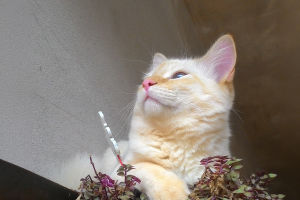
Watching a dog lap up water after a long walk or a cat delicately sip from a bowl is a small moment, but it hides a bigger truth: hydration is essential for your pet's health.
Just like humans, pets need enough water to maintain energy, support internal system function, and avoid serious health problems. Yet many owners don't realize how much water their pets actually need or how to encourage them to drink enough.
Understand Your Pet's Water Needs
Water requirements vary by species, size, age, and activity level. Dogs, cats, rabbits, and other pets all have different hydration needs, and even within the same species, factors like temperature and diet affect intake.
Tips:
1. Estimate basic daily needs: dogs often need about 50–60 ml per kilogram of body weight; cats roughly 60 ml per kilogram.
2. Monitor changes in drinking habits, as sudden increases or decreases may indicate health issues.
3. Adjust water supply during hot weather or after exercise to compensate for fluid loss.
For example, a 10-kilogram dog may need roughly 500–600 ml of water per day. Keeping a measuring cup handy can help track their intake.
Make Water Accessible Everywhere
Pets are more likely to drink regularly if water is easy to reach. Strategic placement of bowls encourages consistent hydration.
Tips:
1. Place water bowls in quiet, low-traffic areas where pets feel safe.
2. Have multiple bowls around the home for larger spaces or multi-pet households.
3. Keep bowls at a comfortable height for your pet; older pets may prefer elevated dishes.
For instance, placing a small water bowl in the living room for a cat encourages sipping throughout the day without forcing them to move across the house.
Choose the Right Type of Water Bowl
The bowl itself can make a surprising difference in a pet's willingness to drink. Some pets prefer certain materials or shapes.
Tips:
1. Stainless steel or ceramic bowls are often preferred over plastic, which can retain odors or cause reactions.
2. Wide, shallow bowls help cats avoid whisker stress.
3. Regularly clean and refill bowls to maintain freshness.
A practical example: switching from a deep, narrow plastic bowl to a wide ceramic one may encourage a cat that avoids drinking due to whisker discomfort.
Encourage Drinking Through Diet
Food plays a role in hydration, particularly for pets that eat dry kibble. Wet food and other water-rich treats can supplement water intake.
Tips:
1. Incorporate wet or canned food into meals, which contains 70–80% water.
2. Add water or low-sodium broth to dry food to boost fluid consumption.
3. Offer ice cubes as a fun and hydrating treat for pets that enjoy chewing.
For example, mixing a small amount of water into a dog's kibble at mealtime can subtly increase hydration without changing their routine.
Watch for Signs of Dehydration
Even attentive owners may not notice early signs of dehydration, which can lead to serious complications if untreated.
Tips:
1. Check for dry gums, sunken eyes, or lethargy.
2. Gently lift the skin at the back of the neck; slow return to position can indicate fluid loss.
3. Consult a veterinarian immediately if you suspect your pet is dehydrated.
A cat that suddenly stops drinking or a dog that seems unusually tired after a walk may need urgent attention—prompt response prevents serious health issues.
Make Hydration Fun and Interactive
Some pets drink more when the process is engaging. Simple changes can make a difference.
Tips:
1. Use pet fountains to create flowing water, which often attracts cats and some dogs.
2. Offer small portions throughout the day to encourage sipping rather than gulping.
3. Incorporate water into play, like filling a shallow dish with floating toys for cats.
For example, a cat fountain with circulating water can intrigue a hesitant drinker, ensuring they stay hydrated without extra effort from you.
Keeping pets properly hydrated is one of the simplest yet most important ways to safeguard their health. Regular water access, diet adjustments, and attention to individual preferences help prevent illness, maintain energy, and improve overall well-being. Next time your pet laps up water, remember—it's not just quenching thirst, it's fueling their entire body.