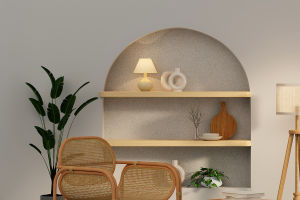
Minimalism isn't just about owning less — it's about living more intentionally. In a world filled with noise, ads, and endless choices, simplifying your surroundings can create the quiet your mind has been craving. Minimalism helps you clear the clutter, both physical and mental, so you can focus on what truly matters: peace, purpose, and presence.
It's not about stark white rooms or counting your possessions, but about designing a lifestyle that supports clarity and calm. This guide explores how decluttering your space and habits can help you reconnect with yourself and rediscover balance.
The Connection Between Clutter and the Mind
Before you start organizing, it's worth understanding why clutter affects how you feel. Our surroundings mirror our mental state more than we realize — and a crowded space can often mean a crowded mind.
How Clutter Impacts Mental Health
When your environment feels chaotic, your brain struggles to focus. Visual clutter competes for attention, draining mental energy even when you don't notice it.
Simply put, clutter can keep your attention “switched on,” making it harder to relax or think clearly. Environmental psychology suggests that when your surroundings contain a lot of competing visual cues, your brain has to filter more information—something that can contribute to mental fatigue and stress, and may make it tougher to focus.
That’s one reason a tidy room often feels instantly calming: with fewer distractions, it’s easier for your mind to settle and direct attention where you want it.
The Emotional Weight of Stuff
Our possessions often carry emotions — memories, guilt, or even identity. Holding on to too much can feel like carrying invisible baggage. When you start letting go of items that no longer serve you, you're also releasing old attachments and mental blocks.
Minimalism as Mental Detox
Think of decluttering as a form of mental detox. As you clear space on your desk, shelves, and closets, you're also creating mental room for new ideas and calm reflection. Start small — a drawer, a corner, a single category of items. Notice how even one clear surface can shift your mood.
The key is mindfulness: being aware of why you keep certain things and how they affect your energy. When you approach your space with intention, every item you keep begins to feel meaningful.
Turning Minimalism into a Daily Habit
Minimalism isn't a one-time cleanup — it's an ongoing way of living. Once you've experienced the peace of a decluttered space, the goal is to carry that simplicity into your daily routines and mindset.
Start with One Space
Don't overwhelm yourself by tackling your entire home in one go. Pick one area that affects your mood most — maybe your workspace, closet, or nightstand. Clear it out completely, then return only what you truly use or love.
As you do this, ask yourself simple questions: "Does this make my life easier?" or "Does this still make me happy?" You'll quickly find that less really does feel lighter.
A great trick is the "one in, one out" rule — whenever you bring something new into your home, remove something old. Over time, this keeps clutter from creeping back in.
Simplify Your Digital Life Too
Minimalism extends beyond the physical world. Digital clutter — endless notifications, unread emails, and screen overload — can also weigh on your mental clarity.
Try a digital detox once a week: unsubscribe from unnecessary emails, organize your files, and silence non-essential notifications. You'll find that quiet screens lead to a quieter mind.
Create Intentional Habits
Once your space is simplified, focus on how you live within it. Instead of rushing through mornings, set up a calming routine — perhaps a few minutes of stretching or tea before checking your phone. Keep surfaces clear so daily cleaning becomes quick and effortless.
Minimalism isn't about perfection but awareness. Over time, you'll start craving open space and simplicity because they make life feel calmer, not emptier.
Minimalism is more than tidying up — it's an act of self-care for your mind. By decluttering your surroundings, you declutter your thoughts. Start small, stay mindful, and let your environment reflect the peace you want to feel. Because when your space breathes, so do you.