Have you ever walked into a garden and instantly felt drawn to a patch of plants that seemed to glow with life? Often, it’s not just the flowers themselves, but how their colors and textures interact.
Combining ornamental plants thoughtfully can transform a dull space into a vibrant showcase. Understanding the basics of color and texture can help you create arrangements that are visually appealing and harmonious.
Why Color Matters
Color is the first thing the eye notices. It sets the tone, mood, and energy of a space. Ornamental plants offer a wide palette, from soft pastels to vivid, eye-popping hues.
1. Complementary Colors: Pair colors opposite each other on the color wheel, like purple and yellow. This creates a bold, energetic contrast.
2. Analogous Colors: Use colors next to each other, such as red, orange, and pink, for a more subtle, calming effect.
3. Monochromatic Scheme: Stick to variations of one color to produce a sophisticated, cohesive look.
Remember, color doesn’t just apply to flowers. Leaves, stems, and even subtle hints in buds or veins can add depth to your design.
The Role of Texture
Texture refers to the visual and tactile surface qualities of a plant. Combining smooth, rough, fuzzy, or glossy surfaces can create interest and make each element stand out.
1. Leaf Texture: Large, bold leaves like hostas contrast beautifully with fine, delicate foliage such as ferns.
2. Surface Finish: Glossy leaves reflect light and draw attention, while matte leaves provide a soft backdrop.
3. Layering: Mixing textures at different heights and depths enhances the three-dimensional feel of your display.
Textures guide the eye, create rhythm, and prevent a planting arrangement from looking flat or monotonous.
Strategies for Combining Color and Texture
When working with ornamental plants, consider both color and texture simultaneously. A few thoughtful strategies can make a big difference.
1. Contrast for Drama: Pair vibrant flowers with textured foliage. For example, bright red flowers against fuzzy silver leaves create a striking focal point.
2. Harmony for Calm: Soft-colored blooms with similar leaf textures produce a soothing, gentle effect, perfect for quiet garden corners or indoor planters.
3. Rhythmic Repetition: Repeat certain colors or textures throughout a garden bed to create continuity and guide the viewer's gaze naturally.
These combinations aren’t just about aesthetics—they also help highlight individual plants and draw attention to unique details.
Practical Tips for Home Gardens
Creating eye-catching plant arrangements doesn't require professional skills. A few practical tips can help anyone get started.
1. Start Small: Experiment with two or three color and texture combinations before expanding.
2. Consider Light Conditions: Bright colors pop in sunlight, while subtle shades and textures may shine in shaded areas.
3. Seasonal Planning: Mix plants that bloom at different times to maintain color and interest year-round.
4. Experiment with Containers: Indoor planters or raised beds offer opportunities to layer textures and colors at varying heights.
Using Texture and Color Indoors
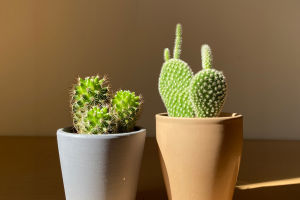
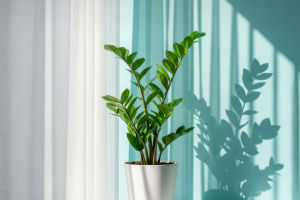
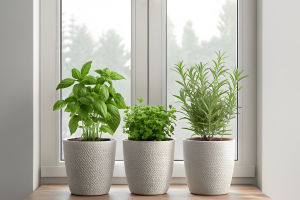
Indoor ornamental plants benefit just as much from thoughtful color and texture choices. Leafy plants with variegated patterns, spiky succulents, and trailing vines can be arranged to create dynamic focal points in living rooms or offices. Pairing glossy tropical leaves with soft, fuzzy herbs can make small spaces feel lush and layered without overwhelming the room.
Final Thoughts
Color and texture are powerful tools in ornamental plant design. When thoughtfully combined, they turn simple greenery into engaging, lively displays. Next time you’re planning a garden or arranging indoor plants, pay attention to how leaves, flowers, and stems interact. A little thought about contrast, harmony, and repetition can transform ordinary plants into extraordinary visual experiences. It’s a subtle skill that makes your garden or home feel more alive, inviting, and personal.