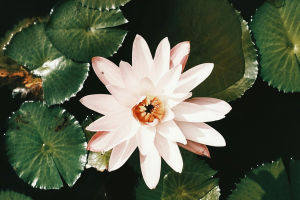
Picture this: a calm, serene pond with beautiful water lilies floating peacefully on the surface. It's the perfect scene for relaxation or a peaceful evening. Water lilies are the crown jewels of water gardens, offering stunning blooms and lush greenery that transform any pond into a peaceful retreat.
But getting those gorgeous flowers to flourish requires a little know-how. Whether you're a seasoned gardener or a beginner, here's everything you need to grow beautiful water lilies in your pond or water feature.
1. Choosing the Right Spot
Water lilies need a sunny spot to thrive, so location is key. They generally require at least 4-6 hours of direct sunlight each day to grow healthy and produce vibrant flowers. Ideally, plant them in a shallow part of the pond where they can get plenty of light.
When choosing where to plant, remember that water lilies spread out as they grow. Make sure you leave enough space for their leaves to float freely. Too much crowding can prevent them from blooming, so place them in a spot where they have enough room to expand.
2. Picking the Right Variety
There are many varieties of water lilies, ranging from small, compact types perfect for small ponds to larger, more expansive varieties for bigger water features. When selecting the right lily for your pond, consider the size of your pond and how much space the lily will need.
Here are a few general guidelines:
• Dwarf water lilies: Great for smaller ponds or containers.
• Hardy water lilies: These can survive in colder climates and are perfect for outdoor ponds.
• Tropical water lilies: These require warmer water and are great for creating an exotic look.
Knowing your pond's size and climate will help you choose the best lily for your space.
3. Planting Water Lilies in Containers
Water lilies grow best in containers because it helps control their spread. Plant them in large, shallow containers that allow the roots to grow comfortably but keep them contained. You can use plastic pots or specialty water lily baskets—just make sure the container has drainage holes to let excess water out.
When planting, use a heavy garden soil (avoid potting mix) and place the tuber just below the soil surface. Cover the tuber with about 2 inches of soil, and make sure the roots are positioned so they can spread out comfortably.
After planting, gently lower the container into the pond, keeping the water lily submerged until the leaves begin to float. Over time, the plant will adjust to the water and begin to spread.
4. Water Depth: How Deep Should It Be?
Water lilies need specific water depths to grow. Typically, they do best when planted in water that's about 12-18 inches deep. However, this can vary depending on the variety:
• Dwarf water lilies: Plant them in shallow water, around 6-12 inches deep.
• Hardy varieties: These prefer a water depth of 12-18 inches.
• Tropical varieties: These need slightly deeper water, around 18-24 inches.
The depth of your pond or water garden will determine which varieties will thrive best. Be sure to plant them in the appropriate depth so they can spread their roots and access the nutrients they need.
5. Proper Water Conditions
Water quality is crucial for the health of water lilies. They prefer clean, slightly alkaline water, with a pH level between 6.5 and 7.5. If your pond water is too acidic or too alkaline, it can stress the plant and hinder its growth.
Make sure to keep your water lily pond clean by regularly removing debris and leaves. Consider adding a pond filter to keep the water fresh and clear. Additionally, water lilies need a stable water temperature. Tropical varieties require warmer water (about 75-85°F or 24-29°C), while hardy lilies can tolerate cooler temperatures.
6. Fertilizing Water Lilies
Water lilies are heavy feeders, meaning they need nutrients to grow healthy and produce beautiful flowers. Fertilizing regularly is important, especially during the growing season.
You can use aquatic plant fertilizer tablets, which are easy to use and won't cloud the water. Place them near the roots of the plant—ideally once a month during the growing season. Avoid over-fertilizing, as it can lead to algae growth and murky water.
If you're using a container, adding some aquatic compost or slow-release fertilizer will give your lilies the nutrients they need to grow strong and bloom beautifully.
7. Pruning and Maintaining Your Water Lilies
While water lilies don't need a lot of maintenance, occasional pruning helps them grow better. Deadheading spent flowers is an essential task—it helps prevent the plant from wasting energy on old blooms and encourages more flowering. Simply cut the flower stem off at the base once it has finished blooming.
Also, remove any dead or damaged leaves regularly. If your water lily becomes overcrowded or starts to look unkempt, you can trim back the leaves to promote better air circulation and improve the overall appearance.
8. Winter Care for Water Lilies
If you live in a region with cold winters, it's important to prepare your water lilies for the colder months. Hardy water lilies can survive the winter in your pond if the water doesn't freeze completely. In areas with freezing temperatures, move the lily containers to a deeper part of the pond (at least 3 feet) to keep them from freezing, or store them in a cool, dark location indoors until the spring.
Tropical water lilies, on the other hand, need to be brought inside before the first frost. Cut the leaves back, remove the plants from the water, and store them in a cool, frost-free location until spring.
Final Thoughts
Growing water lilies can be a rewarding experience, offering a beautiful touch to your pond or water garden. With the right care and attention, your water lilies will thrive and bloom beautifully season after season. Just remember to choose the right variety, provide enough sunlight, and keep the water clean and healthy. Before long, you'll be able to enjoy the peaceful beauty of water lilies right in your own backyard.